Story Seed Studios
  • Type:
  • Genre:
  • Duration:
  • Average Rating:
  • Series
  • Books
  • Latest News
  • Type:
  • Genre:
  • Duration:
  • Average Rating:
  • Series
  • Books
  • Latest News

Podcasts

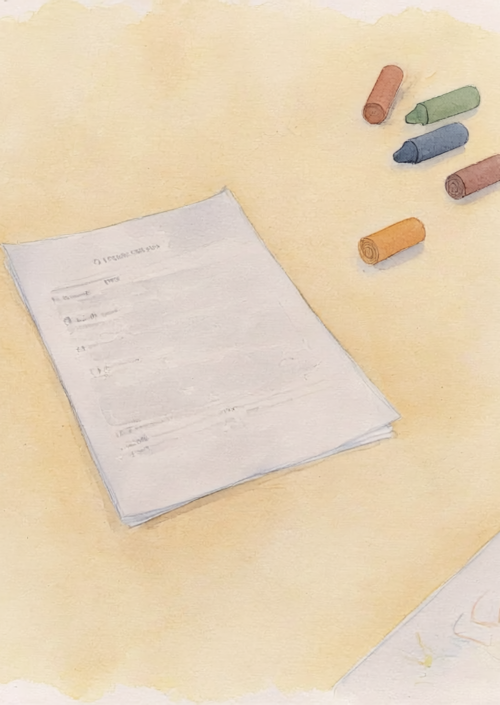
crayons on the Agenda_Ink wash monochrome, warm ivory ground. A public meeting table 579091

004b. Follow the Money

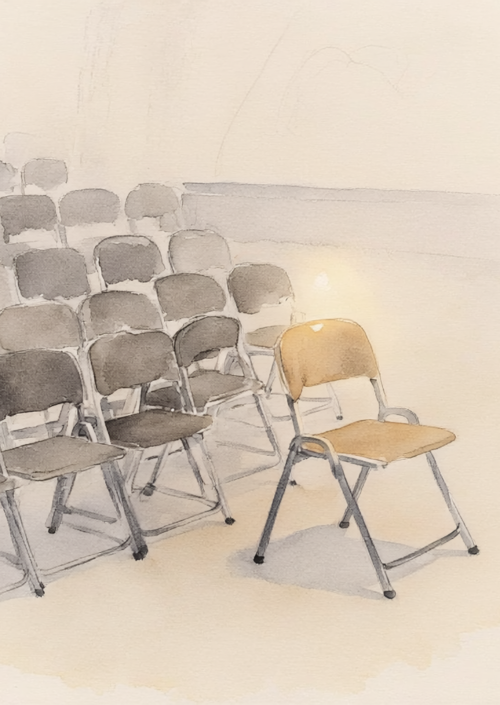
The Chair That's Yours_Ink wash, gestural, ivory ground. A row of folding chairs in a 579091

004A. The Human Stuff

"One Thing. One Step. Today." Tagline: The capacity to decide who you are going to be does not expire. A single image of a phone sitting face-down on a kitchen counter. That's it. That's the whole image. The counter is lived-in — a coffee mug ring stain, a set of keys, a bill that hasn't been opened. Late afternoon light coming through a window, the kind that makes ordinary things look like they were worth something. The phone is face-down. We cannot see the screen. We don't know what call was just made, or what app was just closed, or what decision just happened in the ten seconds before this image was taken. But the phone is face-down. Which means something was put down. In the reflection of the window on the counter surface, barely visible: the faint silhouette of a person standing, facing outward. Not dramatic. Not lit dramatically. Just standing, facing the light. Mood: The most important moment in this story has no witnesses and no audience. It happens in a kitchen. It happens when no one is watching. It happens in the space between one thing and the next. It looks like a phone on a counter. It is the whole thing.

The Import Economy — IV: The Exit Ramp

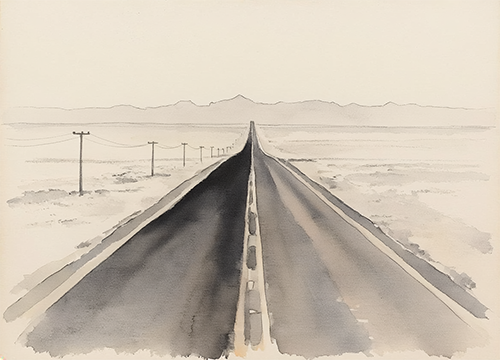
Ink wash, monochrome, ivory ground. A long straight highway cutting through flat land 477862

The Import Economy — III. The Levers That Work

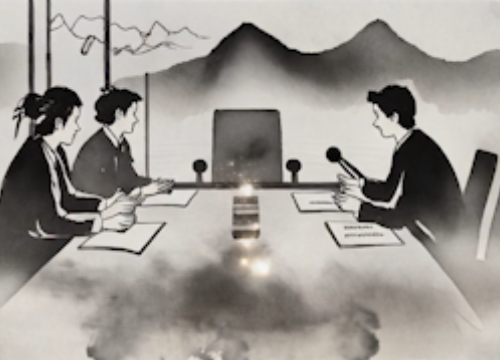
"The Room Where It Almost Happened" Tagline: The maps exist. The vote was 4-0. The chair was empty. A single image: a government meeting room, mid-session. Not empty — people are present, leaning in, papers on the table, a microphone being passed. But the composition is built around absence. The eye is drawn, in the middle of all this activity, to a chair that is slightly pulled back from the table. A name tent is there. An agenda is there, unopened. The chair is just — not occupied. Around it, everything is in motion. Someone is gesturing. Someone is writing. A projection on the wall behind shows a chart with numbers that mean something specific and consequential to specific real people who are not in this room. The lighting is institutional — fluorescent, slightly too bright, the kind that makes everyone look like they slept at their desk. But there's one window, and through it: a sliver of the Pikes Peak ridgeline. Patient. Indifferent. Still there. At the bottom of the image, barely legible, the kind of text that appears in the footer of official documents: Third Thursday. 9 AM. Open to the Public. Mood: The comedy and the tragedy are the same image. The subcommittee has formed. The report will be filed. The chair is empty. The mountain doesn't have opinions about this.

The Import Economy — II: The Committee

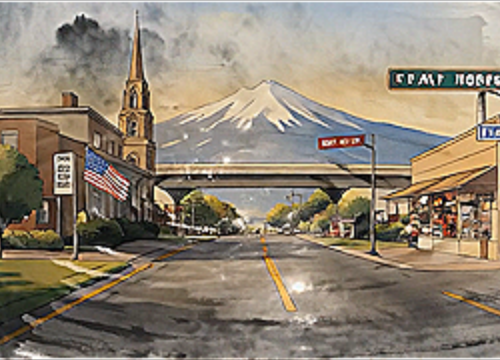
PART ONE IMAGE — The Brochure "Everything That Looks Fine From the Outside" Tagline: The brochure is accurate as far as it goes. A diptych — two images side by side, same physical location, completely different information. LEFT: A Colorado Springs street in full golden hour. Manicured lawn. American flag hung with precision. A megachurch steeple in the soft background. A FOR RENT sign on a tidy storefront. Everything photographed the way a city would photograph itself for a tourism campaign — warm, orderly, functional. Pikes Peak perfectly placed in the upper right corner like it was hired for the shot. RIGHT: The exact same street. Same buildings. Same mountain. But the camera has stepped back six inches and tilted down slightly — and now you can see the I-25 overpass at the edge of the frame, the transient motel sign that was just out of crop in the first image, the cash-only parking lot, the strip of commercial businesses that don't quite have names you'd recognize. The mountain is still there. The street is still real. The frame just got honest. No people in either image. No faces. Just architecture and geography telling two different true stories about the same place. Mood: This is not an accusation of the city. It's a description of what framing does. The same place can be both things. The question is which one you're looking at.

The Import Economy — I. The Brochure

The Sound Effect "THWACK. KRAKOW. APPROVED." Local government is louder than you think. You just can't hear it from the couch. Full comic book action page — but every dramatic sound effect is bureaucratic. A gavel coming down: "APPROVED." Someone circling a budget line: "KRAKOW." A water pipe getting approved for repair: "THWUMP." A planning vote: "VOOOOM." The art is pure comic energy — speed lines, impact starbursts, dramatic angles — but every action is completely mundane. A person at a microphone during public comment, rendered mid-punch in a fight scene: "REMARK." Final panel wide shot: the meeting room in the aftermath. Chairs slightly askew. Agendas on the table. Caption: "It was a routine session." Mood Same energy as a Marvel splash page. None of the same ingredients.

Your County Runs on Volunteers

Decorative

003. Dead Patients, Empty Seats, and the Train Nobody Asked For

Ink wash black and white decorative image of a conference room

002. $58 Million and a Mosquito

Decorative Image

001. Roads, a Retirement & a Restaurant That Can’t Get Approved

SparksinLivingWater

000. No One Gave You These Orders