
















Step 1 — The most important question

Where do you actually live?

Your mailing address means almost nothing here. A Colorado Springs mailing address does not mean you're inside Colorado Springs city limits. You need to know whether your property is inside an incorporated municipality or in unincorporated county land — because the answer determines everything about who governs you.

If you are outside a city or town
Unincorporated El Paso County
Examples: Cimarron Hills (80915), Black Forest, Falcon, Peyton, parts of Security-Widefield
The Board of County Commissioners (BOCC) governs you. No city council has authority over your land. County roads, county code enforcement, El Paso County Sheriff.
If you are inside a city or town
Inside a Municipality
Examples: Colorado Springs, Fountain, Manitou Springs, Monument, Palmer Lake, Woodland Park
Both the city/town government AND the county affect you — but in different ways. City handles local police, zoning, utilities. County handles property taxes, courts, health.
How to find out

Go to elpasoco.com and use the property search tool, or call the El Paso County Assessor at (719) 520-6600. Look for whether your property record says "unincorporated" or lists a city name. You can also check the City's annexation map at coloradosprings.gov.

Step 2 — Know your governing bodies

Who governs you?

Once you know where you live, you can identify the bodies that make decisions about your property, your neighborhood, and your daily life. These are not the same organizations — they meet in different places, on different schedules, and have authority over different things.

County-wide
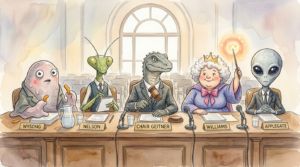
Board of County Commissioners (BOCC)
Five elected commissioners by district. Top governing body for unincorporated areas — and they affect you even if you live inside a city.
Sets county-wide budget and policy
Final authority on land use in unincorporated areas
Governs county roads, sheriff, health, social services
Meets Tuesdays 9am · Centennial Hall
County advisory body
El Paso County Planning Commission
Citizen volunteers appointed by the BOCC. They hold public hearings on land use applications — but the BOCC makes the final vote. Your first chance to speak on zoning.
Reviews rezoning, subdivisions, variances
Makes recommendations to the BOCC
1st & 3rd Thursdays 9am
Regional Development Center, 2880 International Circle
Colorado Springs only
Colorado Springs City Council
Nine elected members. Governs everything inside Colorado Springs city limits. Has no authority over unincorporated county land, even right next door.
City budget, ordinances, zoning inside city limits
Colorado Springs Utilities (electricity, gas, water)
City police department (CSPD)
Entirely separate from county government
Other towns
Other Town/City Governments
Fountain, Manitou Springs, Monument, Palmer Lake, Woodland Park, Green Mountain Falls, and Calhan all have their own elected boards or councils.
Own mayor, council or trustees
Own local police or Sheriff contract
Own zoning and land use rules
Overlapping jurisdictions
Special Districts (Water, Fire, Schools)
Separate government entities that may overlap city or county boundaries entirely. You likely have several — each with their own elected boards and taxing authority.
School districts: D-11, D-49, Fountain-Fort Carson, etc.
Water/sewer: Cherokee Metro, various others
Fire protection: many districts across the county
Find yours at dola.colorado.gov/lgis
Property tax appeals
Board of Equalization (CBOE)
If your property is valued too high for tax purposes, this is how you challenge it. Decisions can be further appealed to District Court or binding arbitration.
Protest deadline: typically mid-September for real property
Hearings: September–November
Contact Clerk & Recorder: (719) 520-6430
Reference

Who do you call for what?

This is the table everyone needs and nobody gives you when you move here. Use your answer from Step 1 to find the right column.

Situation Unincorporated County Inside Colorado Springs
Illegal activity on a nearby property (junk, zoning, unlicensed business) County
El Paso County Code Enforcement
(719) 520-6300
City
Colorado Springs Code Enforcement
(719) 385-5978
Police / emergency non-911 Sheriff
El Paso County Sheriff
(719) 390-5555
City
CSPD non-emergency
(719) 444-7000
Road damage, pothole, sign down County
EPC Public Works
(719) 520-6460
City
CS Public Works
(719) 385-6059
Neighbor wants to subdivide or rezone nearby land County
Planning Commission hearing, then BOCC vote
City
City Planning Commission, then City Council vote
Property tax assessment seems too high Both  El Paso County Assessor (719) 520-6600 — same process for everyone
Request public records (CORA) County
[email protected]
City
City Clerk · Note: police records = CCJRA, not CORA
Noise complaint, animal issue Sheriff
(719) 390-5555
City
CSPD (719) 444-7000
Building permit for your home Both  Pikes Peak Regional Building Department (719) 327-2880 — handles both jurisdictions
Liquor or marijuana license County
Clerk to the Board (719) 520-6430
City
Colorado Springs City Clerk (719) 385-5901
Step 3 — How to show up

How to actually participate

Showing up is more powerful than most people realize — because most people don't. A handful of neighbors at a planning hearing can change an outcome. Here is the practical roadmap.

1
Know your commissioner
Find out which BOCC district you're in at bocc.elpasoco.com. That commissioner is your direct representative. You can email or call them before any issue gets to a vote. Constituent contact works — these are local officials, not senators.
2
Sign up for meeting notifications
You cannot participate in what you don't know about. The county posts agendas by Thursday for the following Tuesday. Sign up for email alerts so you know when something near you is on the agenda — before it's decided.
3
Understand the two-step land use process
Most major land use decisions go through the Planning Commission first (public hearing, recommendation), then the BOCC (public hearing, final vote). You can and should speak at both. The Planning Commission hearing often matters more — it's where staff arguments get aired and where you can shape the record before the BOCC votes.
4
Learn to read the EDARP system
EDARP (Electronic Development Application and Review Portal) is where all planning applications live publicly. If something is proposed near your home, you can look up the full staff report, comments, and application details. It's public — you just need to know it exists.
5
Submit CORA requests early and often
The Colorado Open Records Act gives you the right to government documents — emails, contracts, reports, meeting records. You don't need a lawyer. You don't need to explain why. File early: agencies have up to 10 working days to respond, and complex requests take longer.
6
Inside Colorado Springs: also track City Planning
Inside city limits, the City of Colorado Springs has its own separate planning process. The City Planning Commission (CPC) reviews applications before City Council votes. Same principle — attend both if something affects you.
What to watch for

How complexity hides problems

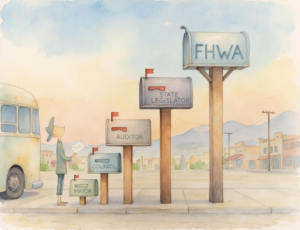
The structure of local government in El Paso County is genuinely confusing — and that confusion is one of the conditions that allows decisions to get made without public scrutiny.

"When people don't know who to call, they call nobody. When nobody shows up, decisions get made without public input."
Red Flag
Short Notice Windows
Public notices are legally required but often posted at the minimum timeframe — sometimes just 10–14 days before a hearing. By the time neighbors hear about a proposal informally, the comment period may be nearly closed.
Subscribe to agendas directly from the county/city, not from neighbors
Check EDARP regularly for new applications near your address
Red Flag
Consent Agenda Items
Both the BOCC and City Council use "consent agendas" — batches of items voted on together without individual discussion unless someone pulls an item. Routine-sounding matters can slip through here.
Read full agendas, not just highlights
Any member of the public can request an item be pulled before the meeting
Red Flag
Jurisdictional Misdirection
It is possible to be told "that's not our department" and get bounced between county, city, a special district, and back again until you give up. This is sometimes accidental. Sometimes it is not.
Document every contact: who you spoke to, date, what they said
If bounced, file a CORA request directly — it forces a paper trail
Contact your commissioner's office — that's exactly what constituent services is for
Red Flag
Quasi-Judicial Hearings & Ex Parte Contact
Land use hearings before the BOCC are legally quasi-judicial — commissioners are supposed to decide based only on the record, not private conversations with developers. Ex parte contact is prohibited but hard to police.
If you suspect it happened, raise it on the record at the hearing
CORA requests for commissioner emails and calendars around a decision are legitimate and legal
Red Flag
Special Districts With Little Oversight
El Paso County has dozens of special districts — water, fire, metro, improvement. Many hold elections with very low turnout. Board seats sometimes go uncontested. These districts can issue bonds and levy taxes with almost no public attention.
Find all districts your property is in at dola.colorado.gov/lgis
Sign up for their meeting notices — most are legally required to post them
Run for a board seat — most have open applications and very low competition
Remember
The Right Room at the Right Time
Showing up matters — but showing up in the wrong room at the wrong moment in the process doesn't enter the legal record. General public comment is not part of a quasi-judicial hearing record. Know where the application stands before you speak.
The full guide to land use process: Nobody Told Laurel How Any of This Works →
Quick reference

Key contacts directory

Every number and link you are likely to need. Organized by jurisdiction.

County — General
BOCC / County General
(719) 520-6430
Centennial Hall, 200 S. Cascade Ave
Meetings: Tues & Thurs, 9am
County — Land Use
Planning & Community Development
(719) 520-6300
2880 International Circle, Suite 110
Hearings: 1st & 3rd Thurs, 9am
County — Law Enforcement
El Paso County Sheriff's Office
911 (emergency)
(719) 390-5555 (non-emergency)
Unincorporated areas only
City — Police
CSPD (City Police)
911 (emergency)
(719) 444-7000 (non-emergency)
Inside Colorado Springs only
Both Jurisdictions
El Paso County Assessor
(719) 520-6600
1675 W. Garden of the Gods Rd.
Property tax assessments — same process for everyone
Both Jurisdictions
Pikes Peak Regional Building Dept.
(719) 327-2880
Building permits — serves county & most cities
County — Records
County CORA / Clerk to Board
(719) 520-6430
Open records, meeting minutes, agendas
City — Records
Colorado Springs City CORA
(719) 385-5906
30 S. Nevada Ave, Suite 606
Note: police records = CCJRA, not CORA
State portal
Colorado LGIS — Find Your Districts
Enter your address to see every special district your property sits in — water, fire, metro, school, and more